Day, Night, and Sky Patterns for Grade 1
Children notice the sky every day, but Grade 1 science helps them notice it more carefully. During the day they may see the sun, bright light, and shadows. At night they may see darkness, the moon, and sometimes stars. These changes are familiar, but science turns them into patterns students can observe and discuss. This topic is important because it builds one of the earliest ideas in Earth and space science: some things in nature repeat in ways we can predict. Morning follows night. The sun appears in the daytime. Stars are easier to see at night. These repeating patterns help students build scientific confidence because they can observe them again and again. The lesson also strengthens careful observation. Students learn that science is not only about faraway planets or giant telescopes. It also begins with noticing the sky above them and describing what changes and what stays the same.
Daytime and Nighttime Are Different
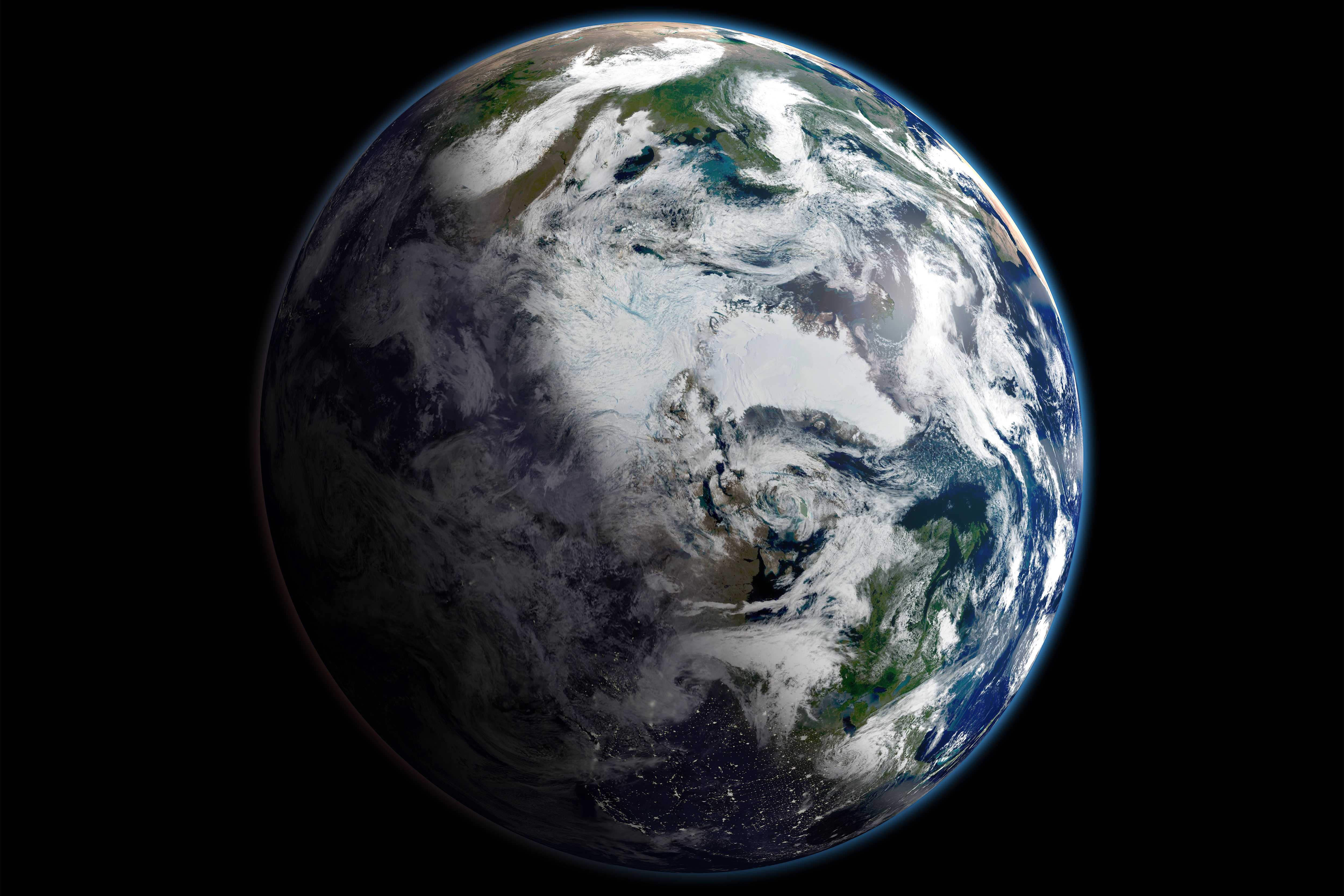
Daytime is the part of the day when there is sunlight and the sky is usually bright. Nighttime is the part of the day when it is dark outside. These two parts of the daily cycle feel different to people and animals, and they can be described with simple observations.
Students should notice that daytime often allows them to see colors, clouds, and shadows more clearly. Nighttime is darker, cooler in many places, and often quieter in the sky. These comparisons help children organize what they already know.
Using familiar examples such as breakfast in the morning or bedtime at night can make the pattern feel concrete without losing the science focus.
The Sun Is Seen in the Daytime
The sun is a star, but it is the one star close enough to give Earth light and warmth during the day. Students do not need a deep astronomy lesson yet. They need to know that the sun is usually seen in the daytime and that its light helps make the day bright.
This section is useful because children often describe the sun only as something warm. Science helps them connect sunlight to patterns in the sky and to daily life. The sun helps explain why daytime looks different from nighttime.
It is also a good chance to remind students never to stare directly at the sun. Scientific observation should still be safe observation.
The Moon and Stars Are Easier to See at Night
At night the sky is darker, so the moon and many stars are easier to see. Students may notice that some nights the moon looks brighter or shaped a little differently, and some nights clouds can hide what is in the sky. The main science idea is that the night sky has patterns children can observe.
Stars are often visible at night but not during the day because sunlight makes the sky bright. That is a helpful concept for Grade 1 because it shows that visibility can change depending on light conditions.
This section can also connect to family routines such as walking outside after dinner or looking out a window before bed.
Patterns Can Be Predicted
A pattern is something that repeats in a way people can notice. Day follows night, and night follows day. The sun appears in the daytime, and stars are usually seen at night. Because these changes repeat, students can make simple predictions.
Prediction is an important science habit. Students can say that after nighttime it will become morning again, or that if they go outside tonight on a clear evening they may see stars. Those ideas are not random guesses. They come from observing repeated patterns.
Helping children say why they can predict something is often more important than the prediction itself. The reason is the pattern they have observed before.
Observations Help Us Learn About the Sky
Scientists learn by observing and recording what they notice. Grade 1 students can do the same. They can draw the sky in the morning and at night, compare light and darkness, or talk about whether they see the moon, clouds, or stars. These simple records help them understand that science uses evidence.
Students should also learn that observations can change from day to day. A rainy or cloudy day may hide the sun. A cloudy night may hide the moon and stars. This does not break the pattern. It simply means weather can affect what we can see.
That idea is powerful because it helps children connect sky observations to earlier weather lessons. Science topics work together, not in isolation.
📝 Key Vocabulary
📐 Standards Alignment
Use observations of the sun, moon, and stars to describe patterns that can be predicted.
Make observations at different times of year to relate the amount of daylight to the time of year.
View all Grade 1 Science standards →
🔗 Glossary Connections
⚠️ Common Mistakes to Watch For
- Thinking stars disappear completely in the daytime instead of being harder to see
- Believing every sky looks the same every day or night
- Forgetting that clouds can change what we are able to observe